Views: 50 Author: Site Editor Publish Time: 2026-04-15 Origin: Site


◆ VPC Official Spanish Language Website
Do your pneumatic cylinders also experience these issues in low-temperature environments?
Slower operating speed and reduced output force
Seal elasticity decreases at low temperatures, leading to cracks and air leakage
Increased viscosity of standard lubricants, resulting in lubrication failure and accelerated wear
Moisture in compressed air may freeze inside pipelines, causing air blockage
1. What is a low temperature pneumatic cylinder?
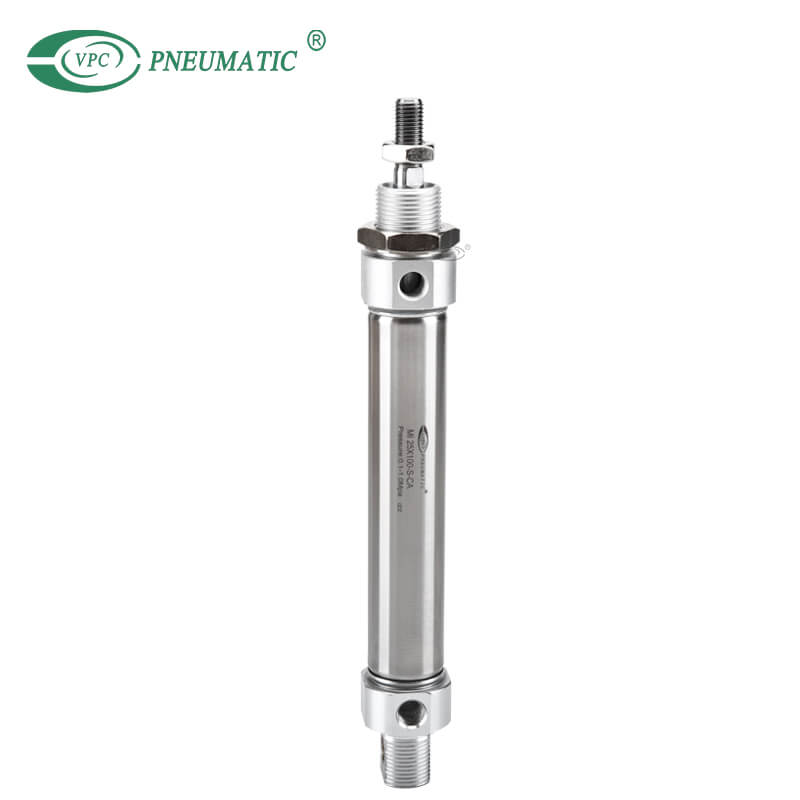
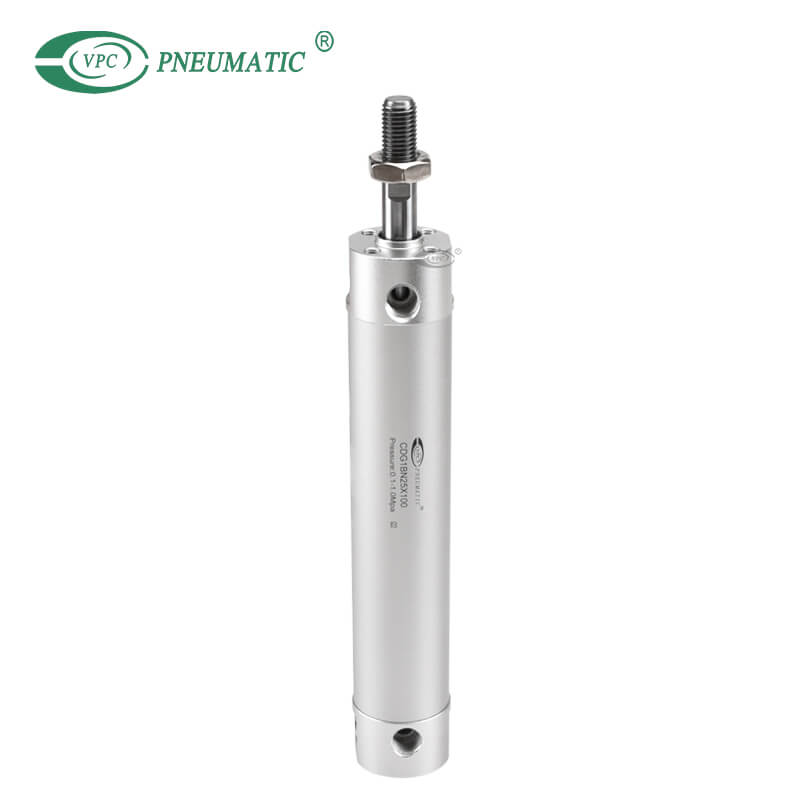
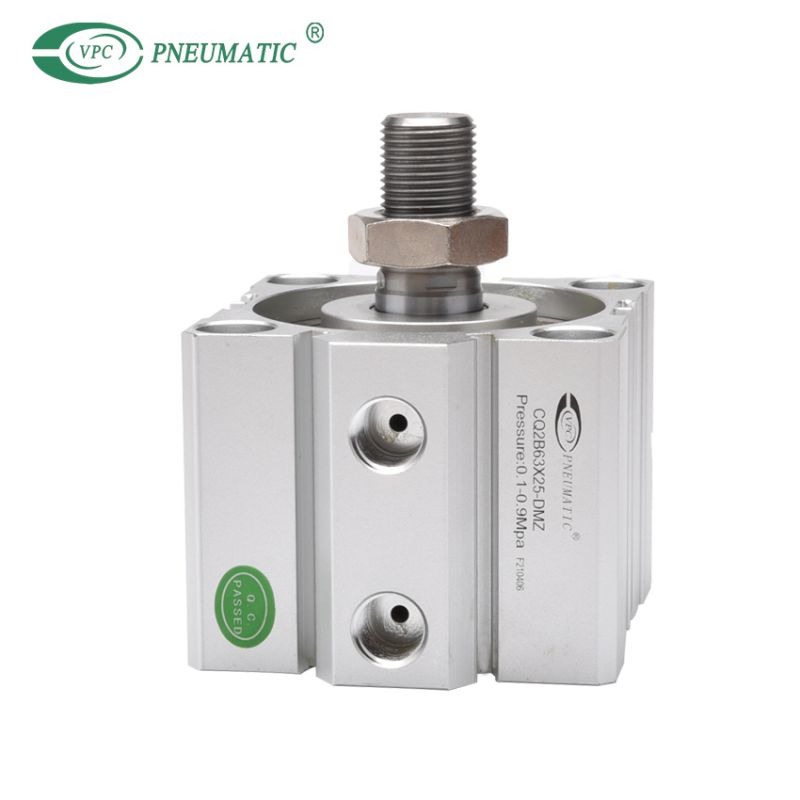
A low temperature pneumatic cylinder is a type of air cylinder specifically engineered to operate reliably in cold environments below 0°C, -40°C, or even -60°C.
Unlike standard pneumatic cylinders, which are designed for room temperature conditions, low temperature cylinders are optimized through:
Specialized low-temperature sealing materials
Optimized internal structure and tolerances
Cold-resistant lubrication systems
Verified performance under sub-zero conditions
2. Low temperature pneumatic cylinder vs standard cylinder
① Core performance comparison
| Item | Low Temperature Pneumatic Cylinder | Standard Cylinder |
| Temperature Range | -20°C to -60°C | 0°C to 60°C |
| Sealing Performance | Maintains elasticity in cold | Hardens and leaks |
| Start-up Performance | Smooth cold start | Difficult start, risk of sticking |
| Motion Stability | Stable, no stick-slip | Unstable, prone to stick-slip |
| Lubrication | Works with low-temp lubricants | Lubrication failure in cold |
| Service Life | Longer in cold environments | Shortened due to wear |
| Failure Rate | Low | High in cold conditions |
② Design and structural differences
Sealing System
Low temperature pneumatic cylinder: Uses specialized low-temperature sealing materials (such as low-temp NBR, modified PU, or FKM), which maintain elasticity and sealing performance even at -60°C.
Standard cylinder: Uses conventional sealing materials that tend to harden and become brittle in cold conditions, leading to sealing failure and air leakage.
Internal Structure Design
Low temperature pneumatic cylinder: Optimized friction pair design to reduce resistance during cold start and ensure smoother operation at low temperatures.
Standard cylinder: Designed for ambient temperature conditions; friction increases significantly in cold environments, affecting performance.
Tolerance and Fit Design
Low temperature pneumatic cylinder:Accounts for thermal contraction of metal components and optimizes clearances under low-temperature conditions to prevent malfunction.
Standard cylinder: Does not consider thermal shrinkage, which may result in jamming (if too tight) or air leakage (if too loose).
Lubrication Compatibility
Low temperature pneumatic cylinder: Compatible with low-temperature lubricants, ensuring stable lubrication and reduced wear in cold environments.
Standard cylinder: Relies on standard lubrication, which becomes less effective at low temperatures due to increased viscosity.
3. Core advantages of VPC low temperature pneumatic cylinders
① Strong Performance | Stable Sealing at -60°C
Using dedicated low-temperature resistant sealing materials, the cylinder maintains excellent elasticity and sealing performance even in environments as low as -60°C. It effectively prevents embrittlement, cracking, and leakage issues.
Ensures stable and reliable output performance under extreme operating conditions.
② Smooth Operation | No Sticking at Low-Temperature Startup
Optimized internal structure and friction pair design significantly reduce startup resistance in low-temperature conditions.
Even in extremely cold environments, the cylinder delivers smooth startup performance with no crawling or sticking.
③ Longer Service Life | Reduced Cold-Start Wear
Compatible with low-temperature lubrication systems, effectively reducing friction and wear.
Minimizes damage to seals and internal components caused by cold-start impacts, extending overall service life.
④ Stable & Reliable | Designed for Harsh Conditions
The product has been tested and validated in low-temperature environments and can operate stably under continuous cold conditions.
It significantly reduces failure rates and downtime risks, ensuring production continuity.
⑤ Wide Applications | Suitable for Multiple Low-Temperature Scenarios
Cold storage and cold-chain logistics equipment
Food and beverage processing lines
Outdoor automation equipment (winter conditions)
Warehousing and logistics systems in cold regions
 Get Professional Selection Advice
4. What other low temperature pneumatic components are available?
In low-temperature applications, stable operation depends not only on the cylinder itself but also on the performance of the entire pneumatic system. Therefore, VPC provides a complete Low Temperature Pneumatic System solution, ensuring reliable operation in environments as low as -60°C or even lower.
In addition to low-temperature cylinders, the system includes the following key cold-resistant components:
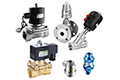
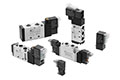
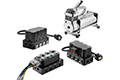
Low Temperature Solenoid Valve
Designed with cold-resistant sealing materials and optimized electromagnetic structures to ensure stable switching even in extremely low temperatures.
It effectively prevents spool sticking, delayed response, and seal failure, ensuring reliable control system performance.
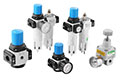
Low Temperature Air Preparation Units (FRL)
Includes cold-resistant versions of filters, regulators, and lubricators.
With anti-freezing and anti-condensation designs, it prevents blockages and pressure fluctuations, ensuring stable air supply.
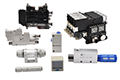
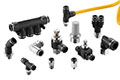
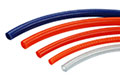
Cold-Resistant Pneumatic Fittings & Tubing
Made of cold-resistant engineering materials or optimized metal structures, these components maintain flexibility and sealing performance in low-temperature environments.
They help prevent material embrittlement, cracking, and air leakage, improving system safety.
Low Temperature Sealing & Lubrication System
Uses dedicated low-temperature sealing materials (such as low-temperature PU, FKM, etc.) and low-temperature lubricants.
It significantly reduces friction resistance, prevents cold-start sticking, and extends service life.
① Custom low temperature pneumatic system solution
For special operating conditions, VPC provides system-level customized solutions, including:
Integrated matching of pneumatic cylinders + solenoid valves + FRL + penuamatic fittings
Customized selection based on temperature range, pressure level, and media conditions
Industrial-grade low-temperature performance validation support

Pneumatic Cylinder

Solenoid Valve

Air Preparation Units

Pneumatic Fitting
② Why is a complete low-temperature pneumatic system necessary?
In extreme cold environments, the performance of a single component is not enough to ensure system stability.
Only a fully coordinated system—including cylinders, solenoid valves, air preparation units, and piping—can effectively reduce failure rates and downtime risks.
If your equipment needs to operate in low-temperature or extreme cold environments, VPC can provide complete low-temperature pneumatic system selection and customization support.
Contact the VPC engineering team to get a professional low-temperature application solution
One-to-one selection analysis and system optimization support available
FAQ
Q1: What is the minimum operating temperature of the low-temperature pneumatic system?
A: VPC low-temperature solutions can operate in environments down to -60°C, and can be further customized for even lower temperature requirements upon request.
Q2: Is it necessary to use a complete low-temperature product system?
A: A system-level configuration is recommended to avoid performance failures caused by limitations of individual components affecting the entire pneumatic circuit.
Q3: Which components are most likely to fail in low-temperature environments?
A: Common issues include solenoid valve sticking, seal hardening, and air supply blockage caused by freezing.



 English