Views: 10 Author: Site Editor Publish Time: 2026-11-26 Origin: Site


In a compressed air system, unstable pressure can cause more problems than many engineers expect. Pneumatic cylinders may produce insufficient force, actuators may operate inconsistently, and automated equipment may experience performance variations.
In many cases, the problem is related to improper pressure regulation.
A pneumatic pressure regulator helps control the compressed air pressure supplied to downstream equipment. However, choosing the right regulator involves more than matching the connection size. You also need to consider operating pressure, required airflow, pressure stability, adjustment range, and working conditions.
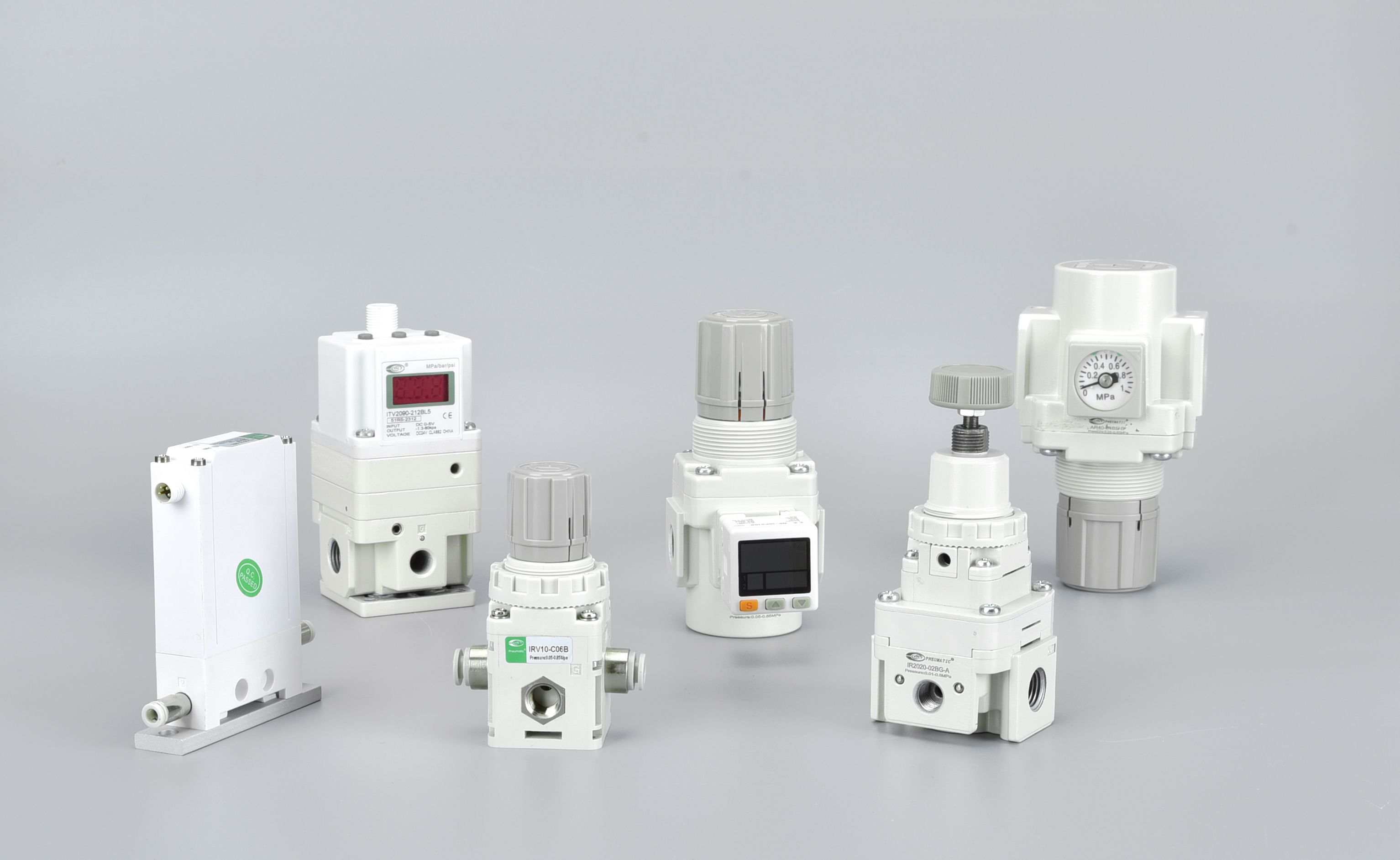
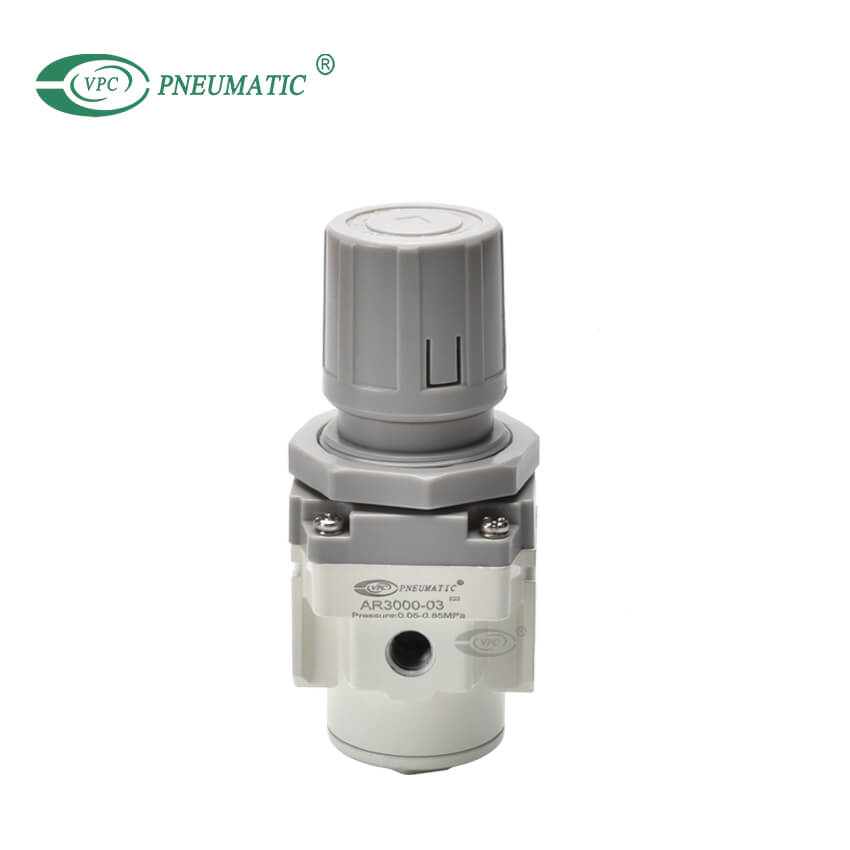
A pneumatic pressure regulator is a device used to reduce incoming compressed air pressure to a desired downstream pressure and maintain that pressure within its operating performance range.
Compressed air systems often supply air at a pressure higher than individual machines or pneumatic components actually require.
For example, a factory may have a main air supply of 0.7 MPa, while a particular pneumatic actuator only requires 0.4 MPa. Without proper pressure regulation, excessive or unstable pressure may affect equipment performance, increase air consumption, and place unnecessary stress on pneumatic components.
A pneumatic pressure regulator helps solve these problems by:
Reducing high inlet pressure to the required working pressure.
Maintaining a more stable outlet pressure when supply pressure changes.
Allowing operators to adjust pressure according to equipment requirements.
Helping pneumatic components operate within their specified pressure range.
Reducing unnecessary compressed air consumption when equipment is operated at excessive pressure.
When do you need a pneumatic pressure regulator?
Your pneumatic equipment requires a lower pressure than the main air supply.
Different machines require different operating pressures.
Air pressure fluctuates during equipment operation.
Pneumatic cylinders or actuators do not perform consistently.
You need adjustable pressure for different production processes.
Most conventional pneumatic pressure regulators use a spring-loaded diaphragm or piston mechanism to control the outlet pressure. The working process generally involves four steps:
Step 1: Compressed air enters the regulator
High-pressure compressed air enters through the inlet port and reaches the internal valve mechanism.
Step 2: Adjust the desired outlet pressure
When you turn the adjustment knob, the spring applies force to the diaphragm or piston. This changes the position of the internal valve element and controls how much compressed air can pass through.
Step 3: The regulator balances pressure
The downstream pressure acts against the spring force. When the outlet pressure reaches the set value, the regulator reduces or closes the valve opening to maintain the desired pressure.
Step 4: The regulator responds to pressure changes
When downstream air consumption increases and outlet pressure decreases, the regulator opens further to supply additional compressed air. This process continues automatically to maintain the required outlet pressure.
It is important to understand that a pressure regulator controls pressure, not airflow directly. If your application requires precise airflow adjustment, a pneumatic flow control valve may be more appropriate.
Fluctuations in the inlet pressure.
Sudden changes in downstream air consumption.
Insufficient regulator flow capacity.
Air leakage in the pneumatic system.
Contamination or wear inside the regulator.
What should you check?
First, check the inlet pressure and compare it with the required outlet pressure. Next, observe the pressure gauge while the equipment is operating.
If the pressure remains stable without airflow but drops significantly when the machine starts working, the regulator may not have sufficient flow capacity for the actual application.
This phenomenon is commonly called pressure droop. Pressure droop occurs when the outlet pressure decreases as the airflow demand increases.
For example, a regulator may maintain the desired pressure when the equipment is idle, but the pressure drops when several pneumatic cylinders operate simultaneously.
Possible causes include:
An undersized regulator.
Insufficient valve flow capacity.
Small connecting pipes.
Excessive pressure loss in upstream filters or fittings.
How can you solve this problem?
Check the regulator's flow characteristics and compare its rated performance with the actual airflow demand. Do not select a regulator based only on its port size. A larger connection does not automatically guarantee sufficient flow capacity.
Whether the inlet pressure is high enough.
Whether the regulator's adjustment range is suitable.
Whether the inlet filter is blocked.
Whether there is excessive downstream air consumption.
Whether internal components are damaged.
The inlet pressure must be sufficient to provide the required outlet pressure under actual operating conditions.
If the downstream pressure rises after airflow stops, the regulator may have an internal sealing problem or another pressure-related fault. Possible causes include:
Contamination on the valve seat.
Worn sealing components.
Internal leakage.
Thermal or system-related pressure changes.
Inspect the regulator and downstream system before deciding whether replacement is necessary.
General-purpose regulators are widely used in industrial compressed air systems. They provide adjustable outlet pressure for pneumatic cylinders, directional control valves, and other pneumatic equipment.
They are suitable for applications where standard pressure regulation is sufficient.
Precision pressure regulators are designed for applications requiring more accurate and stable pressure control. They are commonly used in:
Testing equipment.
Precision pneumatic systems.
Pressure-sensitive manufacturing processes.
Instrumentation and control systems.
If small pressure variations can affect product quality or equipment performance, a precision regulator may be necessary.
Electro-pneumatic pressure regulators convert electrical control signals into proportional pneumatic pressure output. Unlike conventional mechanical regulators, they allow pressure adjustment through electrical signals.
Typical applications include:
Automated production equipment.
Robotic systems.
Pressure-controlled gripping.
Tension control systems.
Precision pneumatic positioning.
For applications requiring automated pressure adjustment or integration with control systems, an electro-pneumatic regulator may be a better choice.
Pneumatic booster regulator's main function is to push the air in the system from low pressure to high pressure for compression and pressurization, thus increasing the system pressure. It is widely used in pneumatic systems and equipment requiring high pressure supply.
① Inlet pressure and required outlet pressure
Determine the maximum, minimum, and normal inlet pressure of your compressed air system. Then identify the required outlet pressure of the downstream equipment. Choose a regulator whose operating pressure range covers your actual requirements.
For example, if your equipment requires an outlet pressure of 0.4 MPa, make sure the selected regulator can provide this pressure under the expected operating conditions.
The regulator must supply enough compressed air to meet the maximum demand of the connected equipment. Consider:
Number of pneumatic actuators.
Simultaneous operating conditions.
Peak airflow requirements.
Pressure drop during operation.
Always check the manufacturer's flow curves or rated flow data rather than selecting a regulator based only on pipe size.
The connection size must match your pneumatic piping system. Common connection sizes include G1/4, G3/8, G1/2, G3/4, G1, and larger sizes.
Different pneumatic applications require different outlet pressure ranges. Select a regulator with an adjustment range that covers your normal operating pressure.
Avoid choosing a model whose required working pressure is outside its specified adjustment range.
Consider the actual operating conditions:
Ambient temperature.
Compressed air quality.
Humidity and contamination.
Installation space.
Exposure to dust or other environmental factors.
The regulator's materials and sealing components should be suitable for the working environment.
For applications requiring frequent pressure changes, an easily accessible adjustment knob and pressure gauge can improve operation.
For fixed-pressure applications, a locking adjustment mechanism may help prevent accidental changes.
Step 1: Check the airflow direction
Identify the inlet and outlet ports before installation. Make sure the regulator is installed according to the manufacturer's markings and instructions.
Step 2: Check the compressed air supply
Make sure the compressed air supply is clean and within the regulator's specified operating pressure. If necessary, install an appropriate air filter upstream.
Step 3: Connect a pressure gauge
A pressure gauge allows you to monitor the outlet pressure during adjustment and operation.
Step 4: Adjust the outlet pressure gradually
Release the adjustment lock if necessary. Adjust the pressure gradually while observing the gauge. Whenever possible, increase the pressure from a lower setting to the required operating pressure.
Step 5: Check pressure under actual operating conditions
Do not check the regulator only when the machine is idle. Operate the downstream equipment and observe whether the outlet pressure remains suitable when airflow demand increases.
Always follow the manufacturer's installation instructions and depressurize the system before maintenance.
These two components are sometimes confused because both are related to pressure control. However, they serve different purposes.
| Comparison | Pressure Regulator | Pressure Relief Valve |
| Main function | Controls downstream working pressure | Protects the system against excessive pressure |
| Operating position | Normally installed upstream of equipment | Installed where overpressure protection is required |
| Pressure control | Maintains a reduced outlet pressure | Opens when pressure exceeds its set threshold |
| Main purpose | Normal pressure regulation | Overpressure protection |
* A pressure regulator should not be considered a substitute for a properly selected safety relief device. In industrial pneumatic systems, both components may be required depending on the system design and safety requirements.
Automated Manufacturing Lines
Control the working pressure supplied to pneumatic cylinders, actuators, and other automation components.
Packaging Machinery
Provide suitable pressure for pneumatic clamping, pushing, lifting, and positioning operations.
Material Handling Equipment
Help maintain the required pneumatic pressure for gripping and handling different products.
Industrial Assembly Equipment
Supply regulated compressed air to pneumatic tools and assembly mechanisms.
Testing and Inspection Equipment
Provide controlled air pressure for pneumatic testing and pressure-sensitive processes.
The required regulator type depends on the pressure stability, airflow, and control requirements of each application.
Not directly. A pressure regulator controls outlet pressure by adjusting the internal valve opening. However, its flow capacity affects how much air it can supply while maintaining the required outlet pressure.
No. A standard pressure-reducing regulator cannot increase pressure above its available inlet pressure. It reduces and controls the downstream pressure.
An air regulator controls outlet pressure.
An air filter regulator combines air filtration and pressure regulation in one assembly, helping remove contaminants while controlling downstream pressure.
There is no universal replacement interval. Service life depends on air quality, operating conditions, usage frequency, and component wear. Regularly inspect pressure stability, air leakage, adjustment performance, and internal sealing condition.
Yes, provided its flow capacity, pressure range, and connection size are suitable for the combined air demand. You should calculate the maximum simultaneous airflow requirement rather than considering only the number of cylinders.
No. A larger regulator may provide greater flow capacity, but it should still match the system's pressure, flow, installation space, and control requirements.
Correct sizing is more important than simply choosing the largest model.
Choosing the right pneumatic pressure regulator is not just about reducing air pressure. It is about supplying the correct pressure and sufficient airflow to ensure reliable operation of downstream equipment.
If you are selecting a pressure regulator for a new machine or replacing an existing unit, provide your required pressure range, airflow, and connection size to help identify a suitable model.
Contact VPC Pneumatic for product information and technical support.



 English